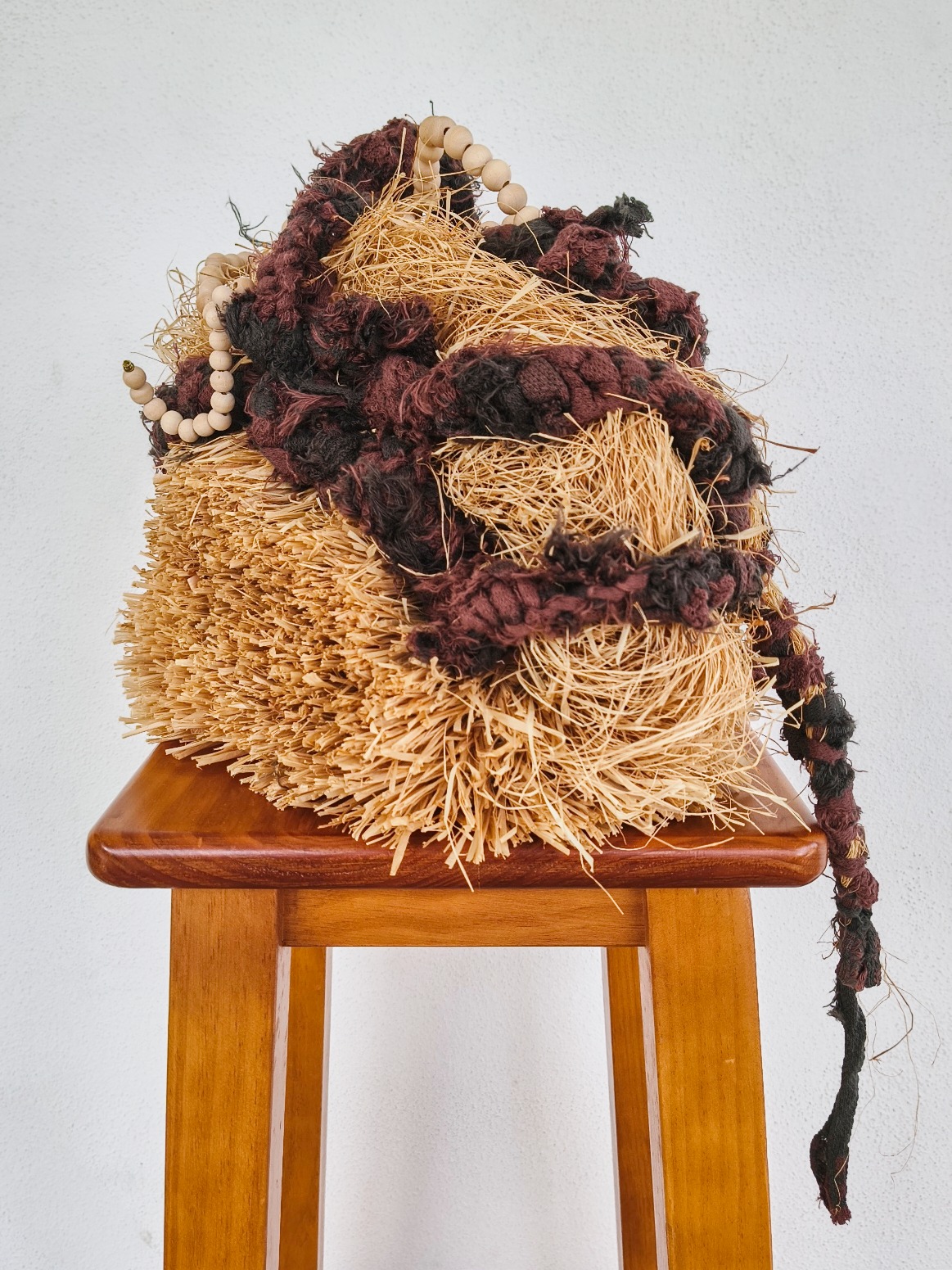
Paradox
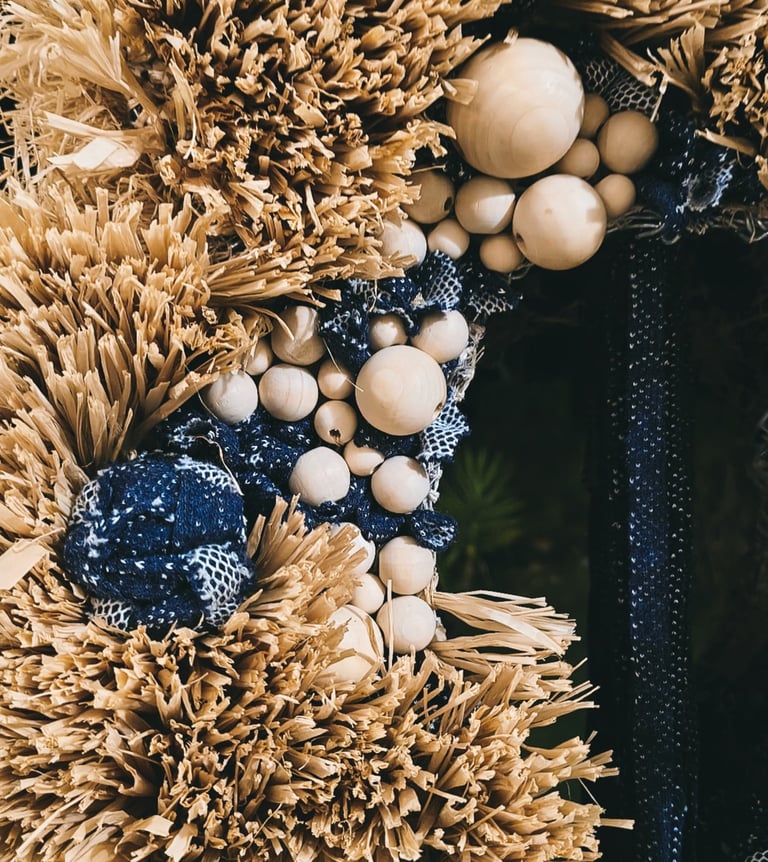
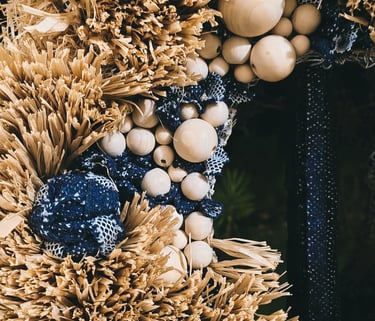
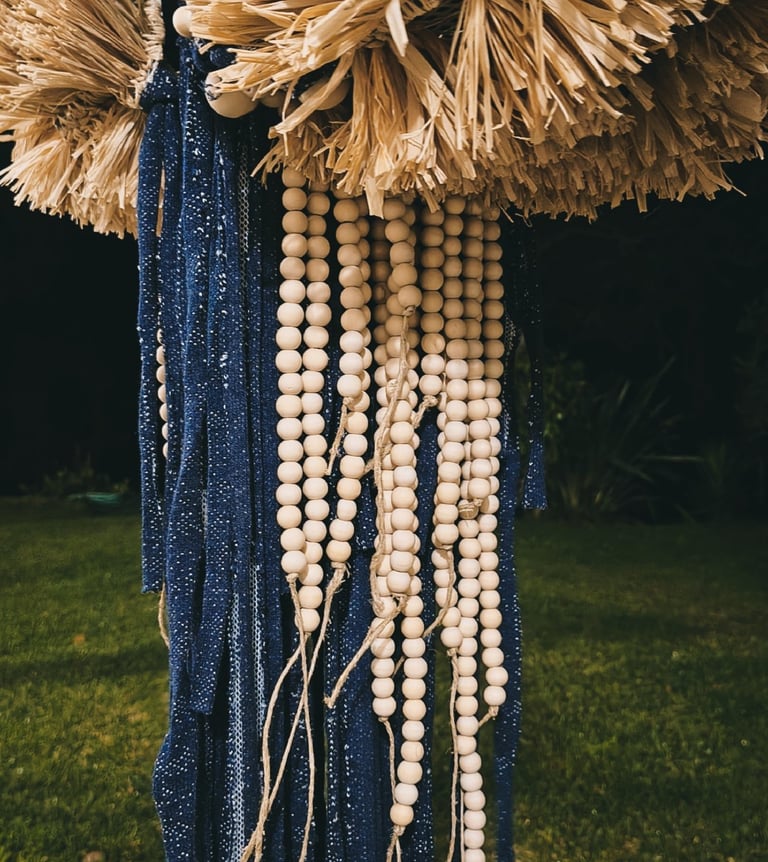
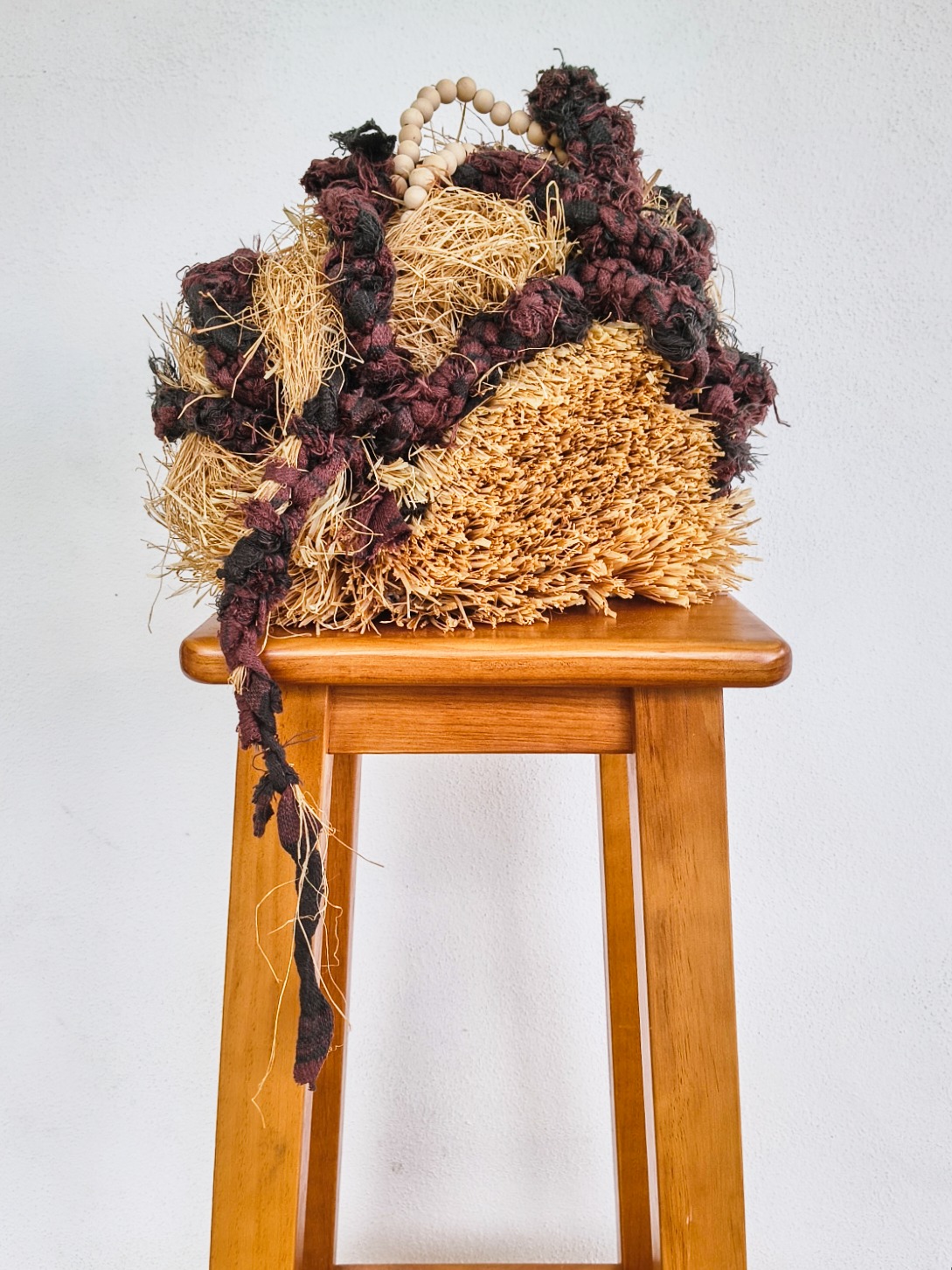
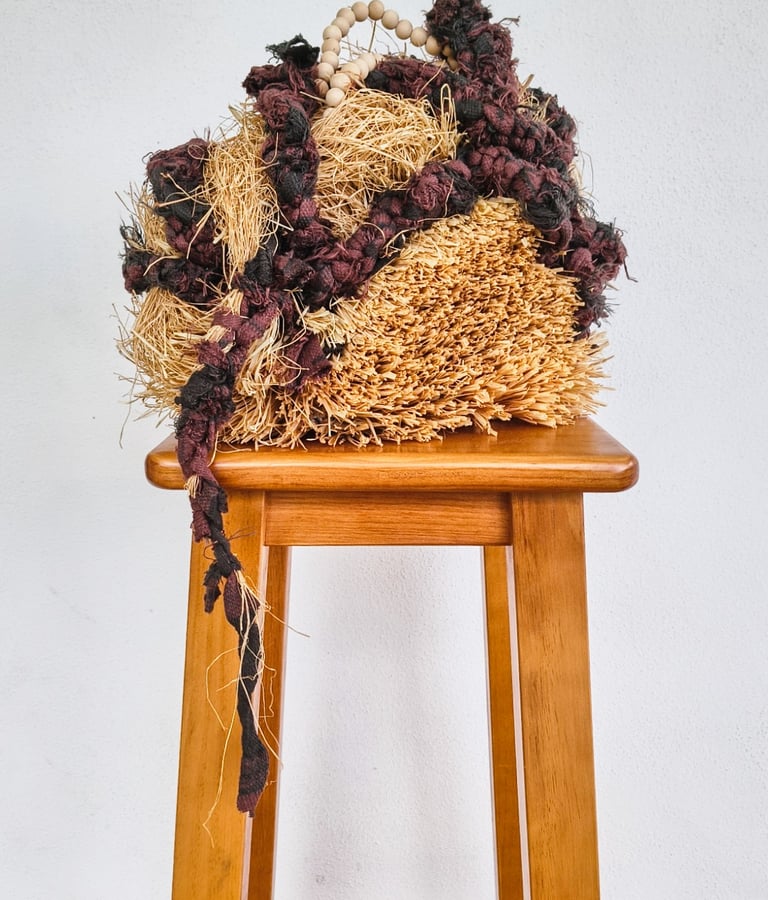
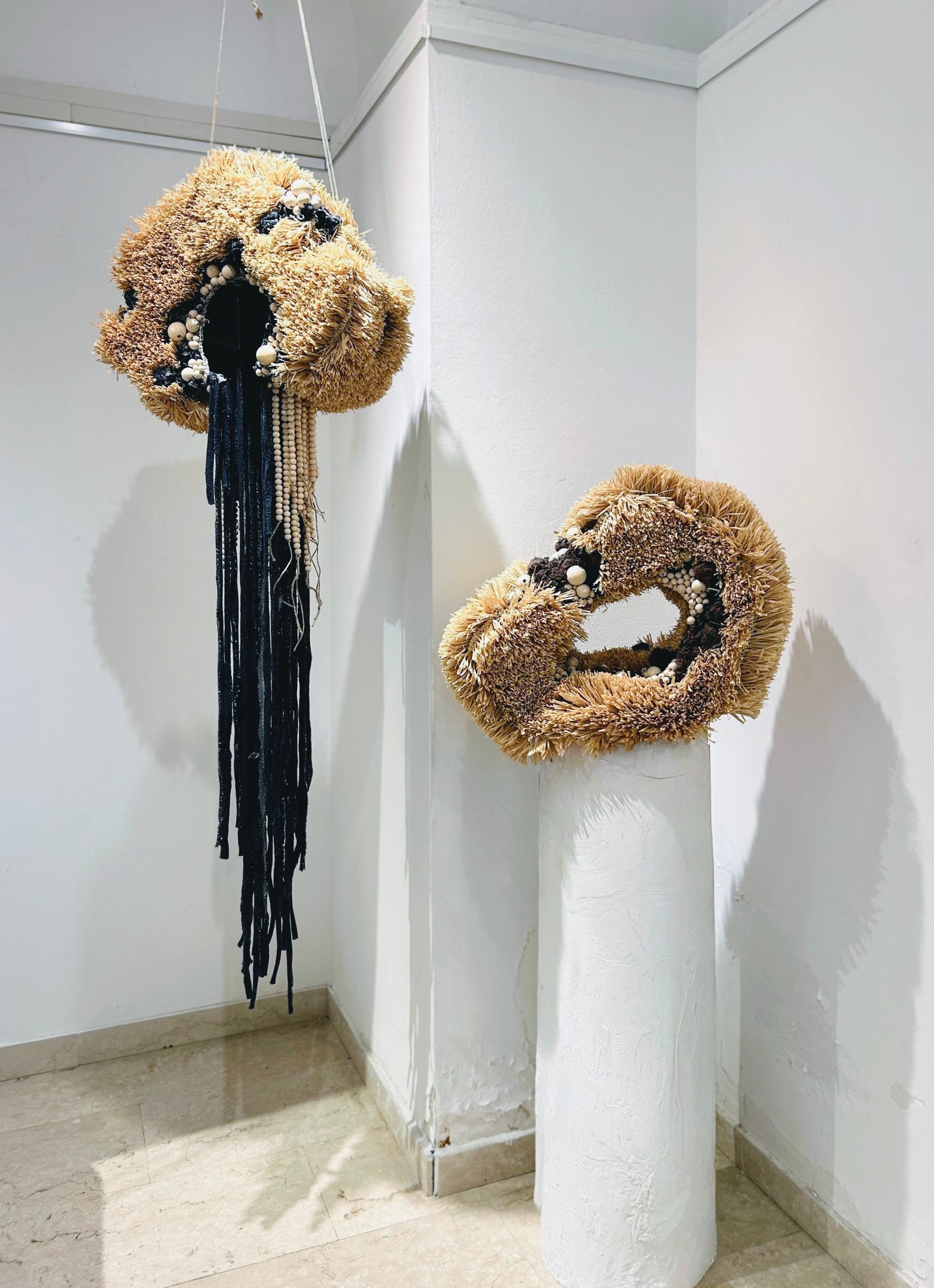
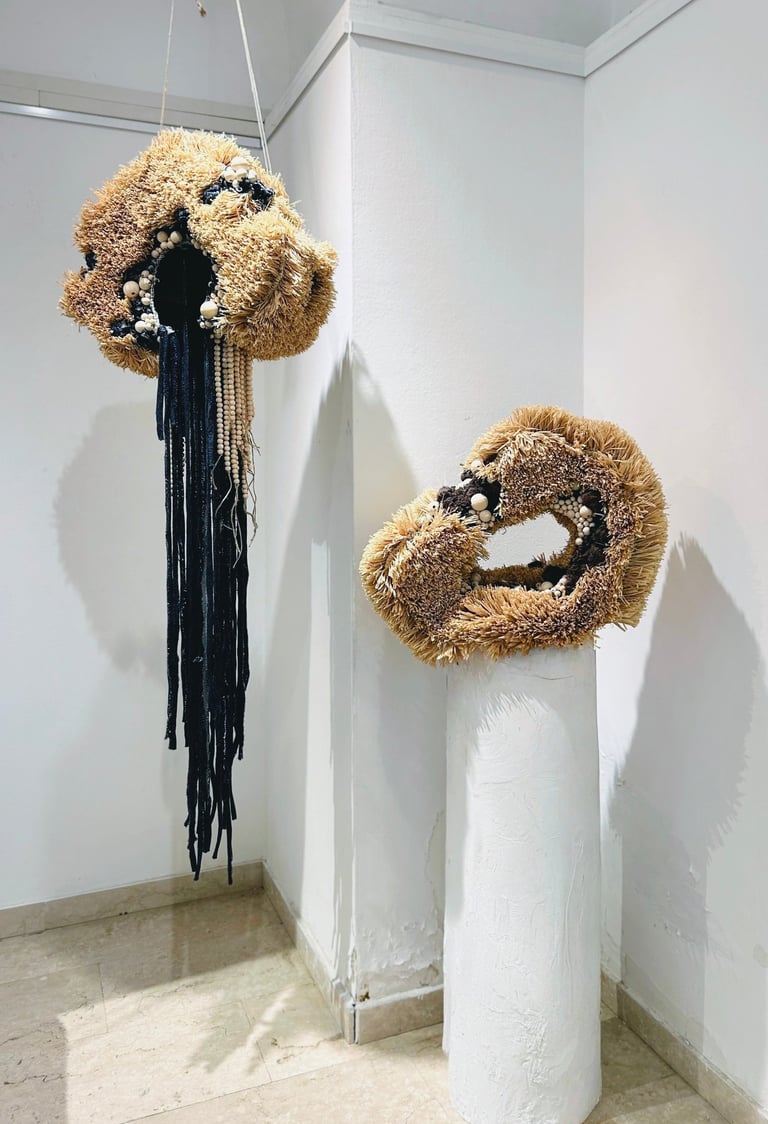
Paradox (Standing) 65*35*50h cm,
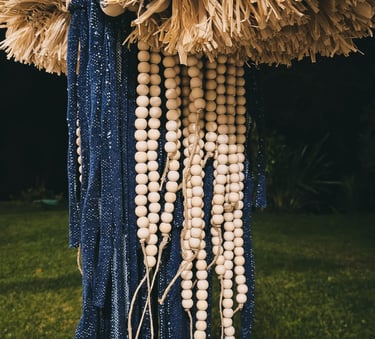
Paradox (Hanging) 65*35*150h cm
2025
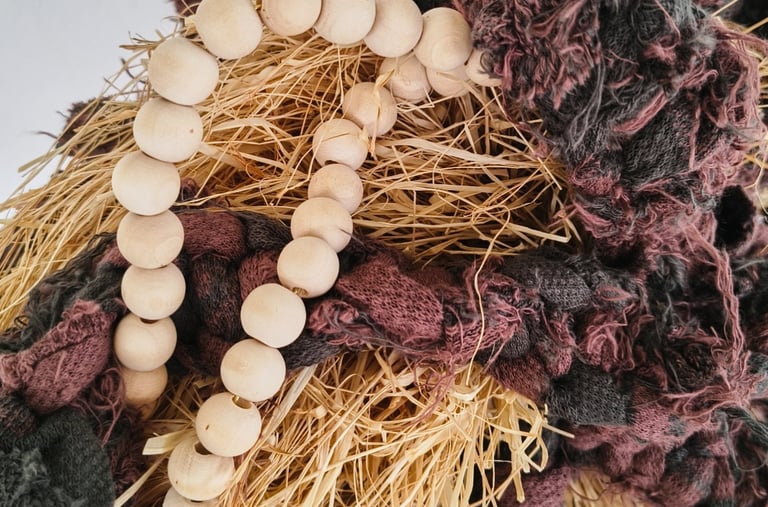
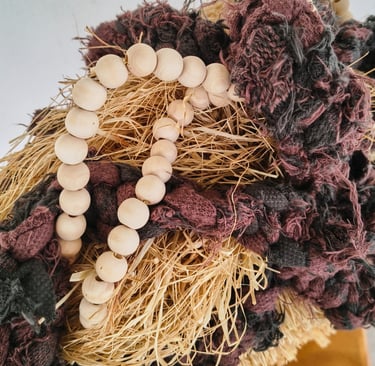
metal wire, canvas, recycled cotton rope, wooden beads, dried palm leaves;
wire sculpting, sewing, latch hooking, macrame
These sculptural objects were created as part of the Paradox project, which explores liminality, a state of in-betweenness in which previous forms of life have already dissolved while new ones have not yet taken shape. It is a condition of instability, tension, and uncertainty, often perceived as threatening yet holding the potential for transformation.
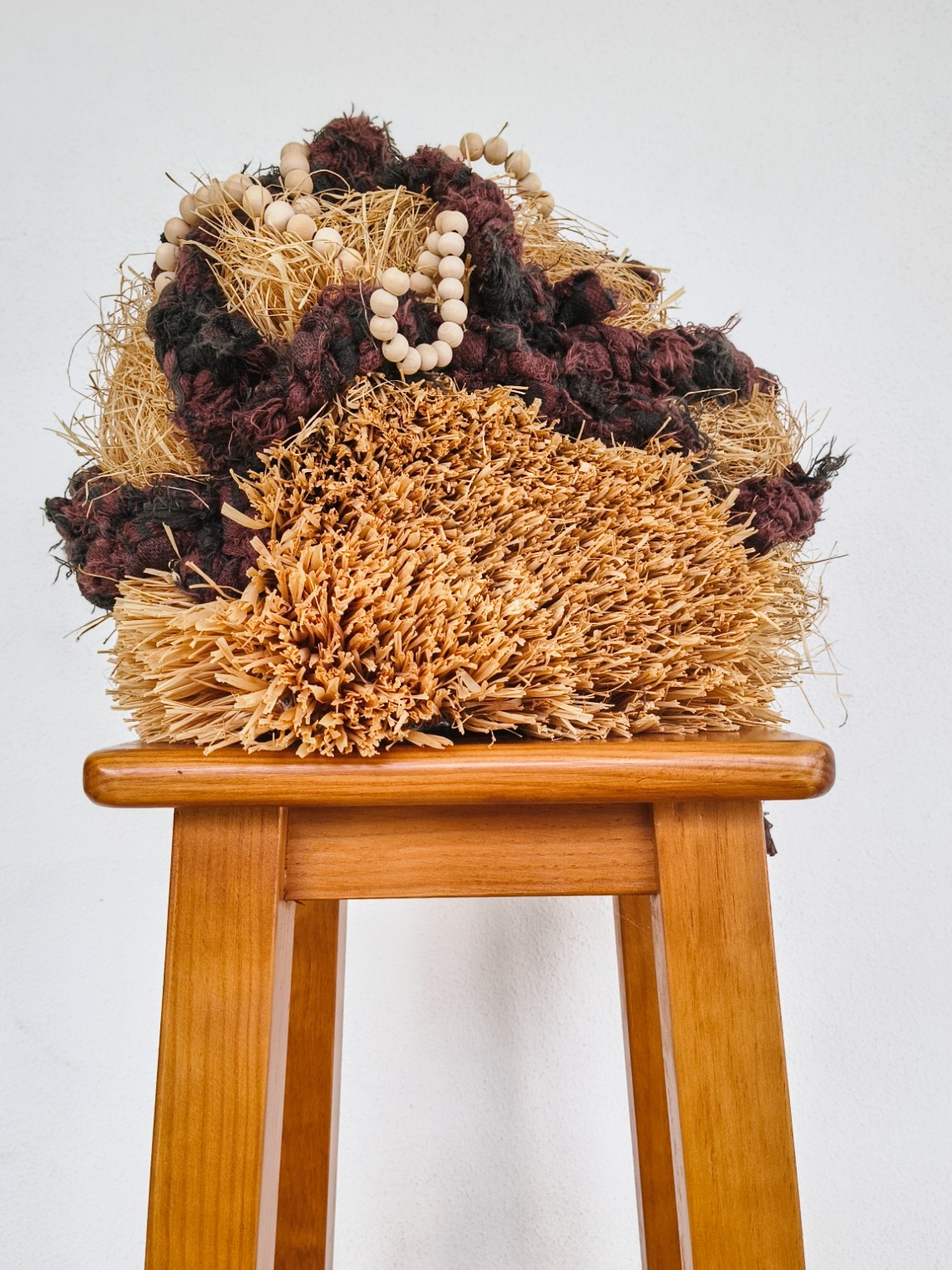
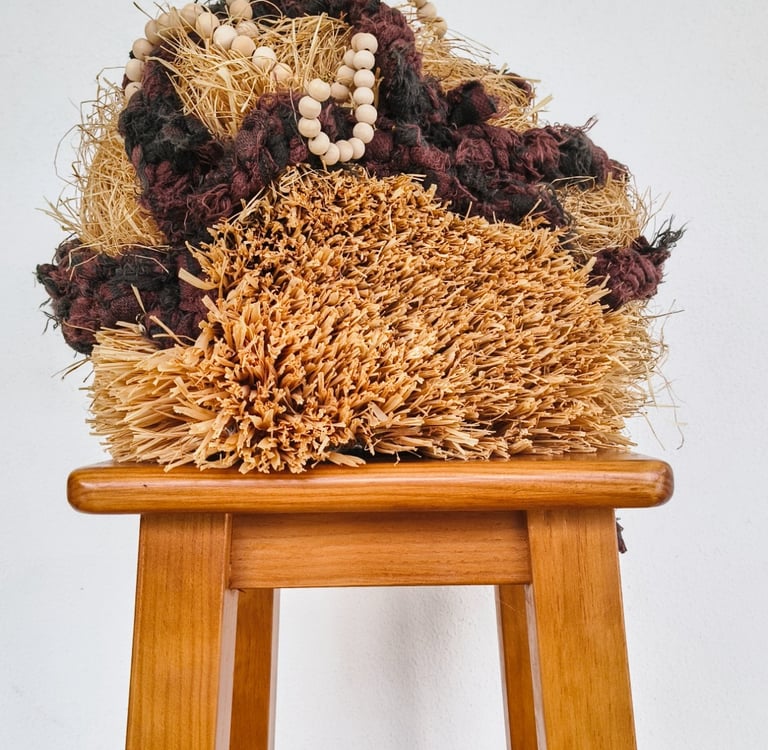
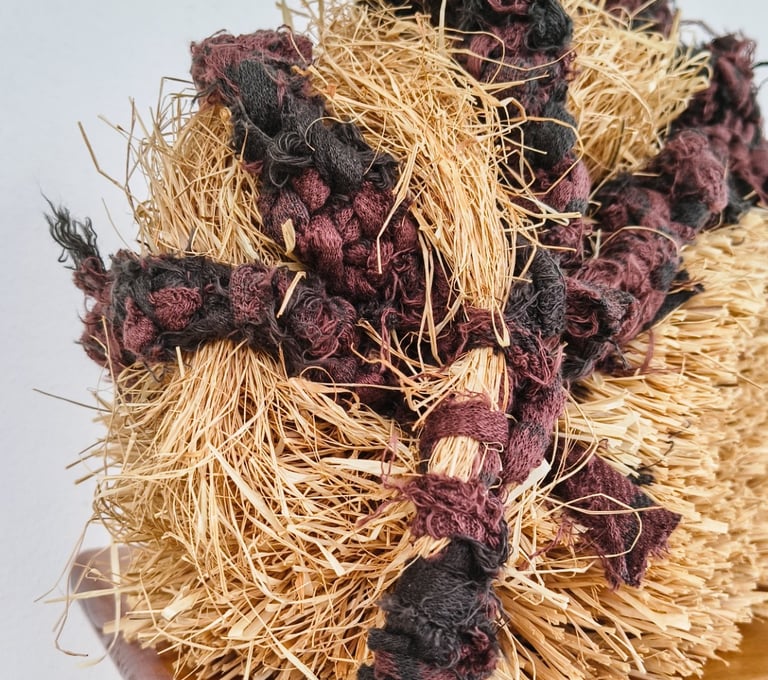
The process began with the construction of a metal frame shaped through wire sculpting principles, establishing the form and internal tension of each object. The structure was then covered with canvas, which became the base for further manual work. The surface was gradually built using the latch hooking technique with dried palm leaves and second-grade recycled knit textiles. Parts of the knitted layers were developed using macramé techniques, allowing the material to hang, stretch, and respond to gravity. Wooden beads were sewn by hand, one by one, functioning as integral elements within the structure and emphasizing its tactile rhythm.
The production process lasted approximately two months and required a large amount of meticulous, almost technical labour. For around five weeks, the work continued for 12–14 hours a day with minimal breaks. After roughly 300 hours, time stopped being counted, as the process became continuous, physically exhausting, yet deeply focused and attentive.
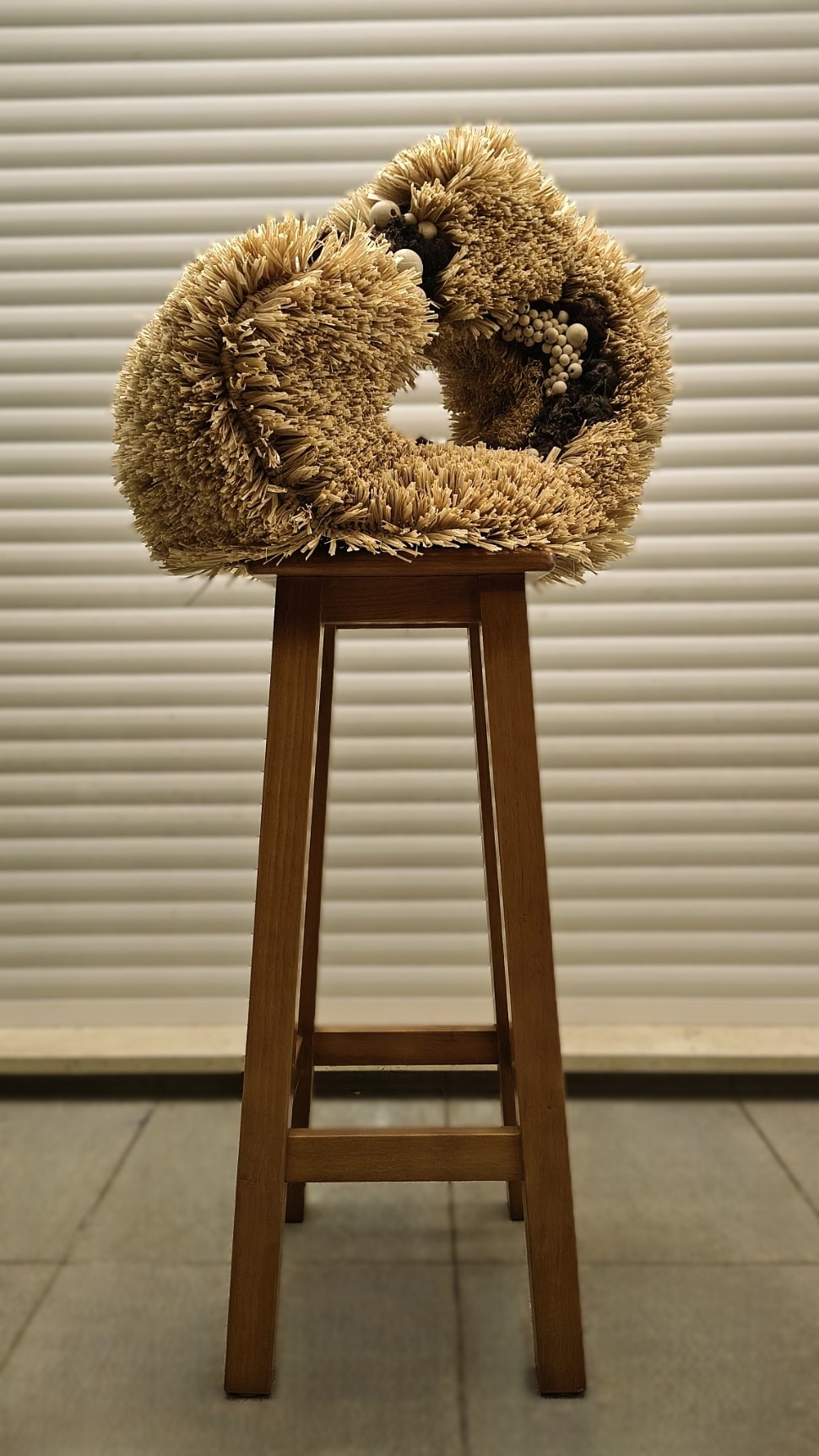
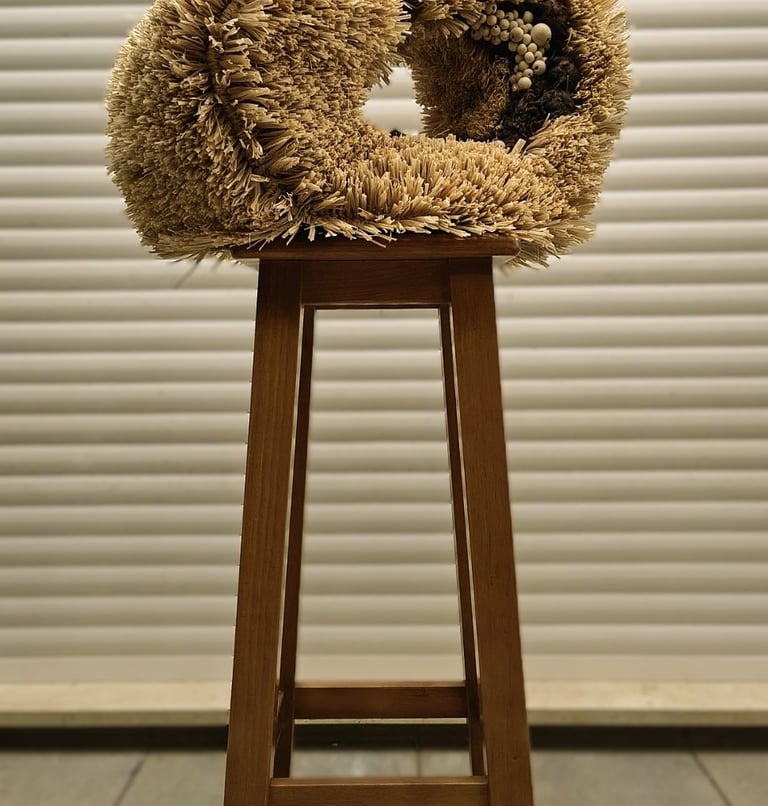
The surfaces grow layer by layer, concealing the internal framework without fully enclosing it. Areas of exposure allow glimpses into the inner structure, emphasizing a state of unstable balance rather than completion. This partial openness is a deliberate artistic choice, reflecting liminality as a condition without firm ground.
One object embodies suspension, a form without anchorage, constantly swaying, as if held in the air, where control is partially lost. The other represents the illusion of stability: heavy and seemingly solid, yet internally fragile. Together, they form a paradoxical dialogue between movement and stagnation, false stability and necessary risk.
The project approaches crisis not as an anomaly, but as an inherent part of the life process. Liminal states may be painful and destabilizing, yet they are often essential thresholds through which further movement and transformation become possible.
Paradox: Reassembled
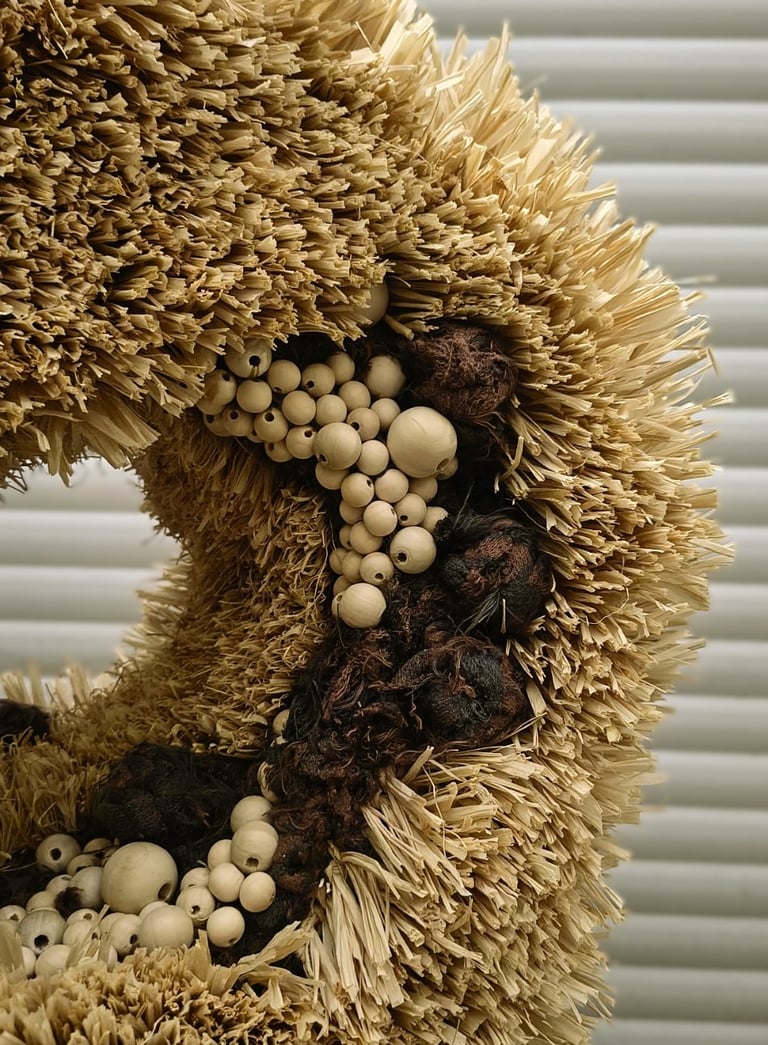
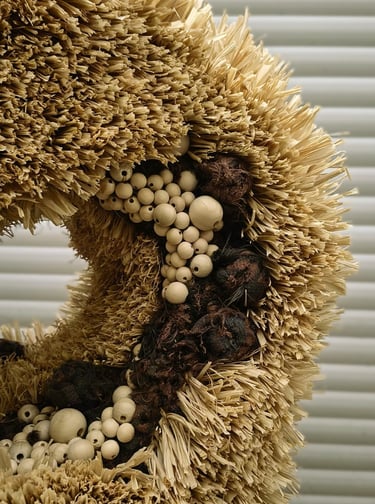
Paradox: Reassembled continues the Paradox series through a return to one of its earliest forms — originally conceived as a trial structure.
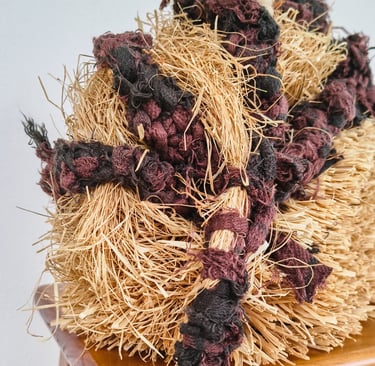
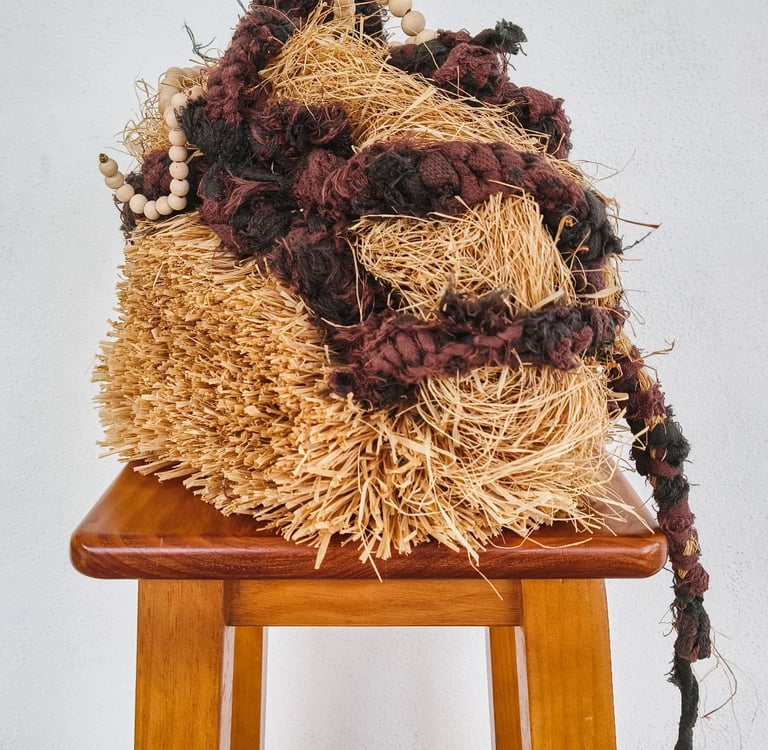
Unlike the suspended and open works developed for the exhibition, this sculpture turns inward. The once airy composition has been gathered and condensed. Dark recycled textiles bind the surface of dried palm fibers, while wooden beads introduce subtle rhythmic accents across the body.
The form carries visible tension: softness and rigidity, fragility and weight, movement and containment coexist within a single structure. Instability is not resolved, but reorganized.
This work explores a shifted state within the paradox — not the uncertainty of suspension, but the moment when something begins to settle without fully stabilizing.
Revisiting the piece was not an act of correction, but of continuation. The return became a method of transformation — a way to move forward by reassembling what once remained unresolved.